
Cutting Hand Dovetail Joints Step by Step
How to mark, saw, and pare a through dovetail by hand, including the order of cuts that keeps the joint tight.
Read the guideA reference collection on basic joinery, sanding techniques, and restoring wooden furniture at home, written with Canadian workshops and seasonal humidity swings in mind.
Last updated: June 3, 2026
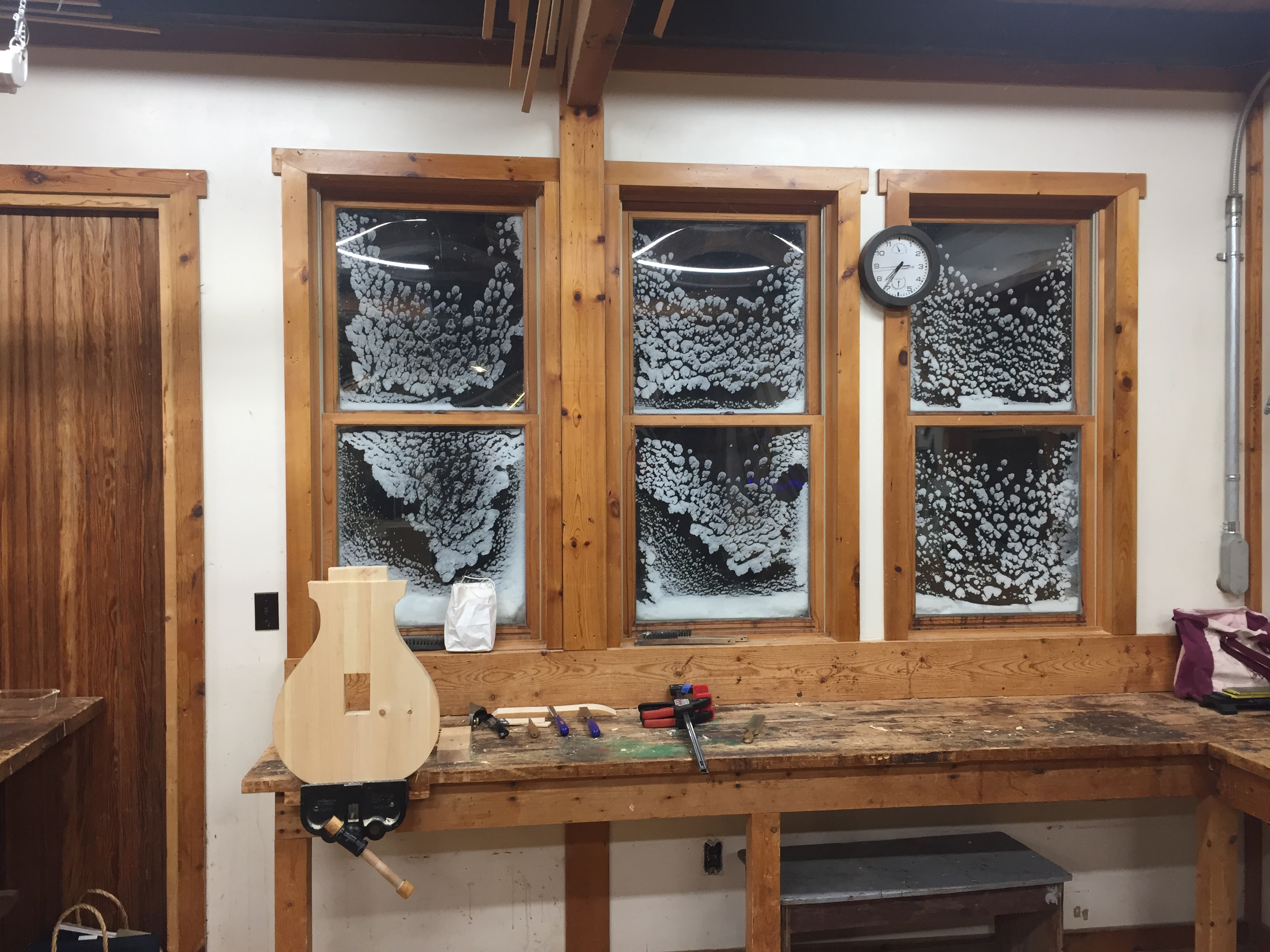
Each note walks through one task in detail, from setting up the cut to checking the result. They are written for solid wood and home repairs rather than production cabinetry.
How to mark, saw, and pare a through dovetail by hand, including the order of cuts that keeps the joint tight.
Read the guide
A grit sequence that removes mill marks without leaving scratches, plus when to stop and how to raise the grain.
Read the guide
A repair sequence for loose joints, lifted veneer, and tired finishes on older domestic furniture.
Read the guideThrough and half-blind dovetails, mortise and tenon, and the layout marks that keep them square.
Grit progressions, grain raising, and reading scratch patterns under raking light before finishing.
Re-gluing chairs, flattening lifted veneer, and reviving old finishes without stripping good wood.
Why drawers stick in a humid Maritime summer and how to leave room for cross-grain movement.
Setting a bench plane, sharpening chisels, and keeping a saw cutting to a line.
Bench height, lighting, and dust handling for a small basement or garage shop.

Indoor humidity in much of Canada swings widely between a dry, heated winter and a damp summer. That movement is the single biggest reason a tight drawer in February binds in July, and why a panel glued edge to edge in the wrong season can split.
The notes keep returning to that point: leave room for wood to move, finish all faces of a panel evenly, and let new lumber sit in the room where it will live before you cut it. Where humidity figures matter, ranges from the Government of Canada general guidance on indoor air are referenced rather than invented numbers.
A simple hygrometer in the shop is worth more than any single tool tip. Track the room across a year and the seasonal problems stop being surprises.
If a step is unclear or you spot an error, send a note. Messages are read by a single editor; expect a slower, considered reply rather than an instant one.